Sussex Amphibian & Reptile Group
  • SxARG Home
  • Learn
  • Get Involved
  • i-Frog
  • Findings
    • Articles from other websites
  • Contact
  • Articles
  • Land Development
  • Links
  • Sx Photos
  • SxARG Login
  • SxARG Home
  • Learn
  • Get Involved
  • i-Frog
  • Findings
    • Articles from other websites
  • Contact
  • Articles
  • Land Development
  • Links
  • Sx Photos
  • SxARG Login
Search by typing & pressing enter

YOUR CART

Picture
Welcome to the first established County Amphibian & Reptile Group
Picture
Sightings. We need them!
PictureEvents. Come along and enjoy

2025 Events
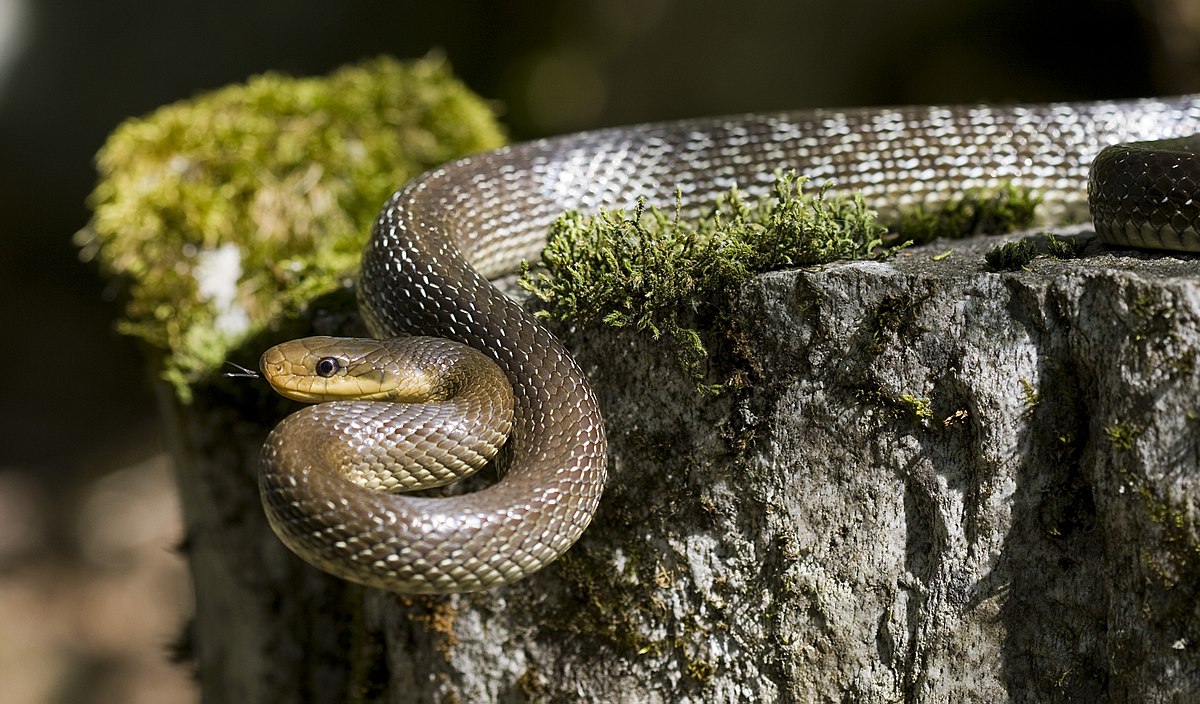
Aesculapian snakes

These large 2 metre snakes, which are non-natives and should not be able to survive in Britain, are doing just fine in North Wales. Tom Major at Bournemouth University has been tracking these snakes and has found that they are surviving by living close to human habitation. Unusual behaviour for snakes which usually avoid urban areas. They are good climbers and get through cold periods by moving into lofts or compost heaps. 

Aesculapian snakes have also been found in the Czech Republic where they have adopted the same mode to survive the cold.
PictureAesculapian snake FelixReimann, CC BY-SA 3.0


Nadders   should you be a fan of the Canterbury Tales you will know that in Middle English Vipers beris was a nadder from the Old English nā̆ddre. I suppose a nadder easily becomes an adder.

Adder taking a rapid swim, BBC videoclip

Toads in Trees

A report on the New Scientist website tells us of recent research on the tree climbing habits of the common toad (Bufo bufo). Watching a toad’s ungainly gait one might be surprised to learn of this climbing ability ------->
Adders Dancing in Pembrokeshire super video from SxARG member, Sam Kelly.

Mouth and Stomach Brooders. A slightly unusual article from Froglife. Link
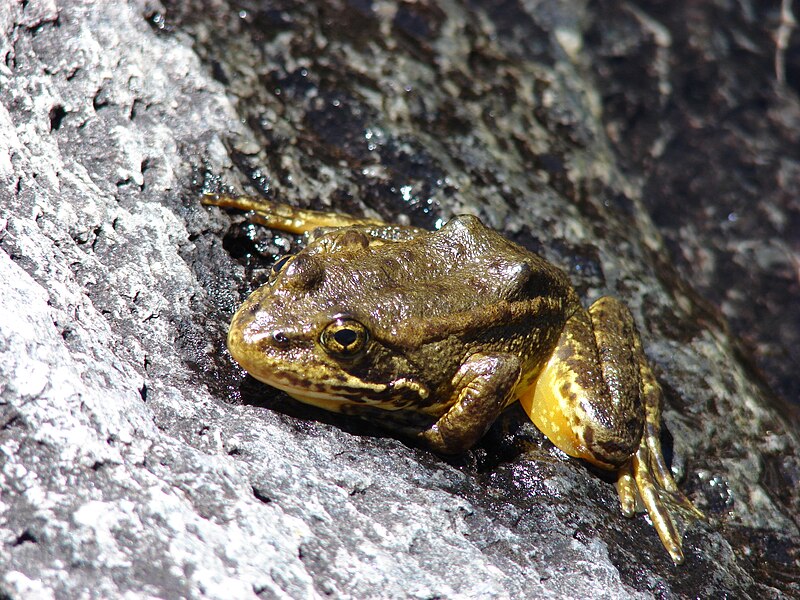
Success in Yosemite
Some brighter light at the end of the chytrid tunnel. Yellow legged mountain frogs are thriving again after a major 17 year long reintroduction programme by conservationists.  The new population has some resistance to the normally deadly  skin infection and consequently populations are increasimg. More here.
New research on basking banks
Results of a 5 year project by the University of Reading and Froglife seem to show positive results with more sightings of lizards initially and later other species. Link
Overwintering as a Juvenile
Latest Froglife Croak here
A Simple Way of Combating Chytrid Infection
It seems Chytrid, which causes a deadly skin disease, is susceptible to high temperature. Froggy saunas have proved a powerful defence for some species. More...
Test your observation skills with this great video from ARG UK
Finding terrestial GCNs using a trained dog. Presentation from the ARG UK site
The Importance of Ponds

Ponds have generally been heavily neglected by world conservationists perhaps because of their small size compared with other water habitats, In fact, despite their small size ponds are far more diverse than other water bodies. Ponds are more diverse, because of their relative isolation. Flowing water in streams and rivers mixes everything up into a relatively homogeneous medium. By contrast ponds maybe clear due to tannins, cloudy because of livestock disturbance, sunlit or heavily shaded. This diversity leads to a subsequently diverse flora and fauna.
Ponds may have been neglected just because they are small, for example the EU Freshwater Directive ignores water bodies smaller than 50 hectares, but change may be on the way. The Ramsar Convention, an international treaty, introduced a resolution on small wetlands and the EU funded project, PONDERFUL, is collecting data on European ponds.
Based on New Scientist article June 24.


Rare Good News on Chytrid

Roland Knapp, University of California, has had success in re-establishing populations of two species of yellow legged  mountain frog, Rana muscova and Rana sierriae. The researchers moved frogs from wild populations which appeared to be resistant to areas where all frogs had been lost, a process known as evolutionary rescue where population recover through the spread of beneficial genes.
Over 15 years hundreds of frogs were translocated by helicopter or snow-packed back packs. Genetic studies found differences in the immune system genes in the translocated frogs, which suggests this is the reason for their success.
Picture
USFWS/Rick Kuyper, CC BY 2.0 via Wikimedia Commons
Tap Dancing Frog
New Scientist video of this odd tapping behaviour to flush out prey. Link  
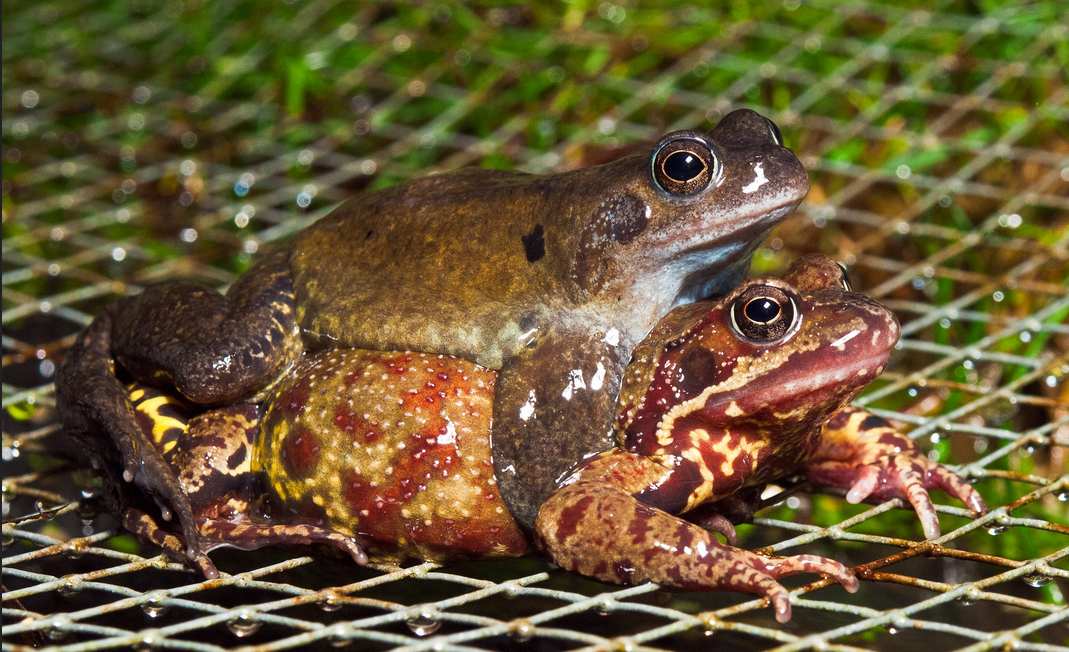
Female Frogs include playing dead  in their armoury for avoiding over-amorous males. other strategies include rotating away and mimicking male release calls (Carolin Dietrich, Museum of Natural History, Berlin). Females can be drowned by too much attention multiple males.
PictureAngus Kirk


Picture
Join Us, we need you!
Picture
Learn about amphibians and reptiles
Picture
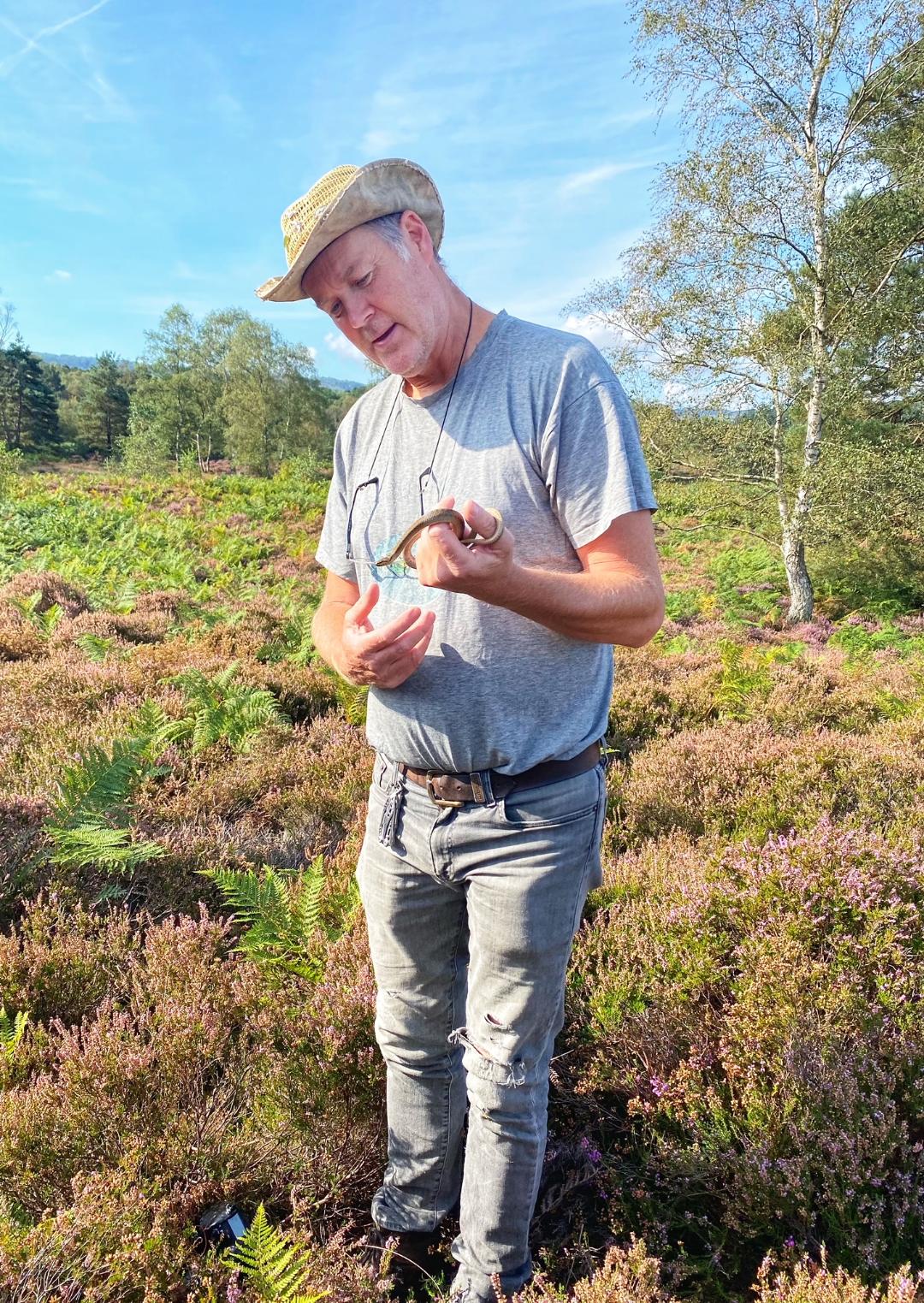
Paul Stevens calming a smooth snake. Click picture for video
Effects  of Pet Flea Products on the Environment
Interesting croak from Froglife
Pollution and Biodiversity

A recent lab based study looking to see if biodiversity reduces parasite infections finds that the reduction is only seen when there is salt pollution. Link

  Adder Tracking
Julian Robinson, SxARG Events Coordinator has carried out a literature search on adder tracking. Adder tracking is something that SxARG has considered, but not yet committed to as it does require a lot of person power to run. The list of articles that Julian has found make interesting reading and can be found here

Picture
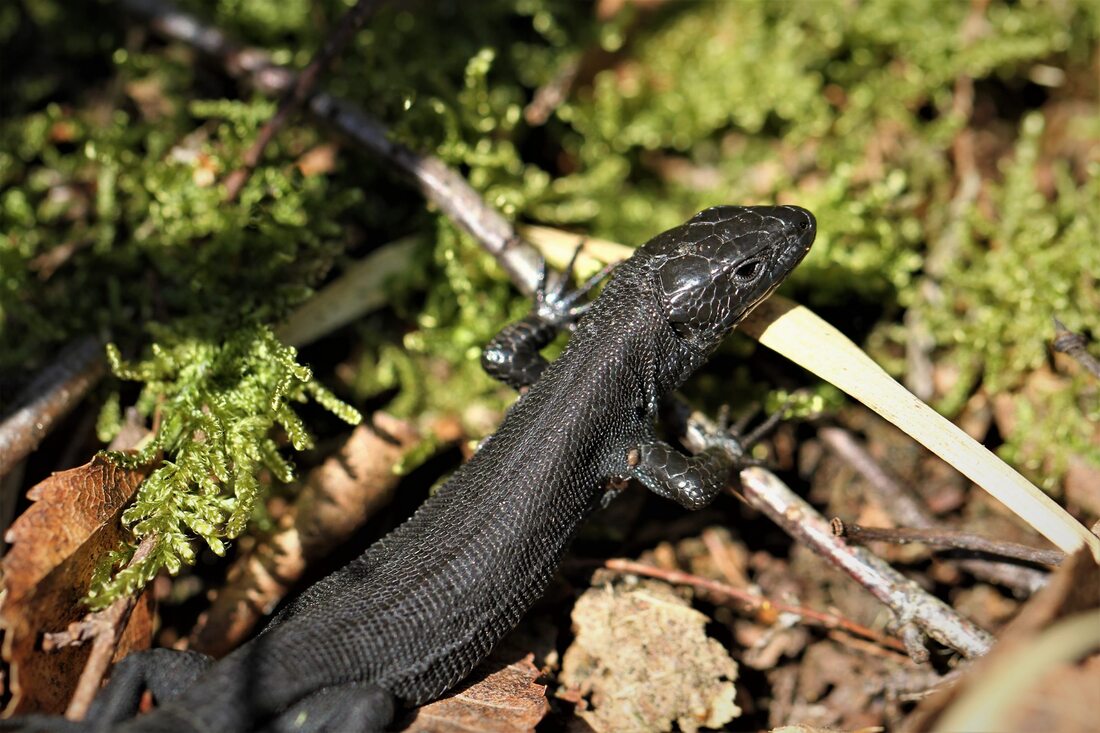
From Christian Moss. Melanistic Common Lizard on Ashdown Forest
Avoiding Sex Pests
Male frog enthusiasm can lead to several males attempting to mount a female at the same time causing the hapless female to drown. Research by Carolin Dietrich, Natural History Museum in Berlin, has shown that the female has defences. Females were observed rotating away from an oncoming male, mimicking the male release call normally used by a male who is mounted by another male or just playing dead!

Is Conservation Effective?
There is a great deal written about the importance of creating new ponds, but does it work? Thankfully a new study in Switzerland suggests that it does (Moor et al 2022). They analysed 20 years of data in the densely populated state of Aargau, Switzerland, and found the addition of hundreds of new ponds to the landscape stopped the decline or stabilized the populations of the majority of the monitored amphibians. They demonstrated the significant positive impact of restoring habitat dynamics by increasing habitat availability and connectivity.

Froglife Science Croak
Reproduction without sex in reptiles. Following on from recent news reports of the captive croc in Costa Rica that produced fatherless eggs.
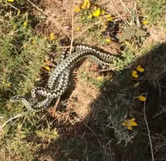
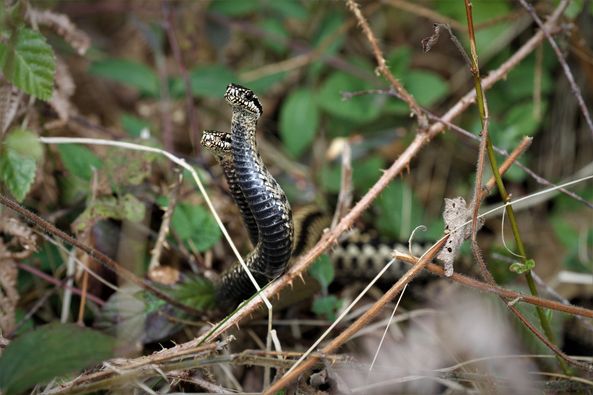
PictureBrilliant photo of male Adders 'dancing' in Sussex (fighting over a female) Christian Moss 26 Apr.

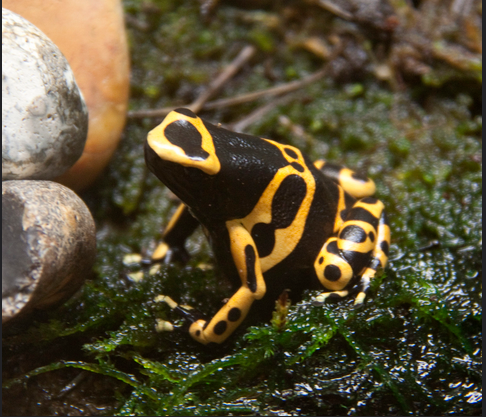
Bright colouring  warns of 'eat me and die', but how does this trait evolve in the first place without great risk? Click here for a hypothesis
Picture
Reticulated poison frog (CC-BY-2.0, Tony Hisgett
Picture
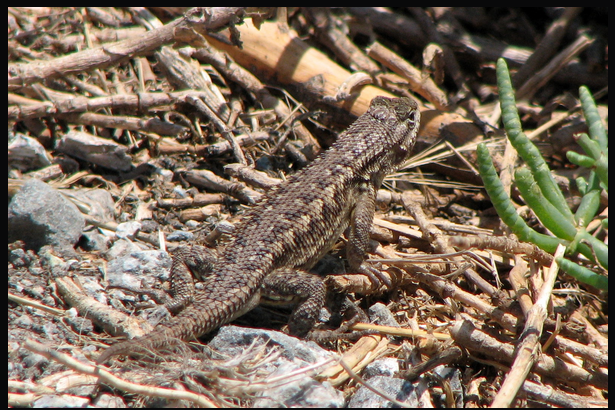
Clever Western Fence Lizard (CC BY-NC 2.0)
Lizards Have Learned  to Fear Fire More than Predators
Lola Alvarez-Ruiz of the Spanish National Research Council noticed that Western Fence Lizards in the US were better at surviving wildfires than other species. In 2019 Lola and colleagues broadcast sounds of wildfires and predators to lizards in burned areas and non burned areas of California.and measured the attention given by lizards to the broadcasts. Lizards from the burned areas paid more attention to the fire broadcast, whereas in unburnt regions the predator broadcast received more attention. Clever researchers and clever lizards.
Picture

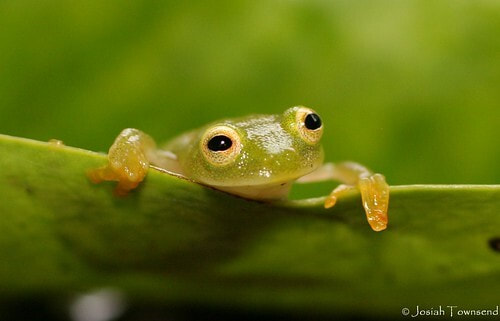
Glass Frogs, How to Make Yourself Transparent
Hyalinobatraciun fleischmann spend their days sleeping on bright green leaves (nice if you can get away with it). But how do you make yourself near transparent when your blood is bright red? Jesse Delia, American Museum of Natural History, noticed that the frogs were more transparent when asleep. In fact 61% more transparent. By tracing the movement of blood using photo-acoustic methods they found that the frogs could hide 89% of their blood in their liver while sleeping. This is interesting since squashing blood cells together should induce clotting. Further research could throw light on possible anticoagulents for human use.

Reptile and Amphibian Pet Trade
Concerns

Snake Fungal Disease. A report from the US of a fungal disease circulating in the snake population. Fortunately not as devastating as chytrid in amphibians, but of concern.

Some reptiles don't age. What is their secret?


Picture
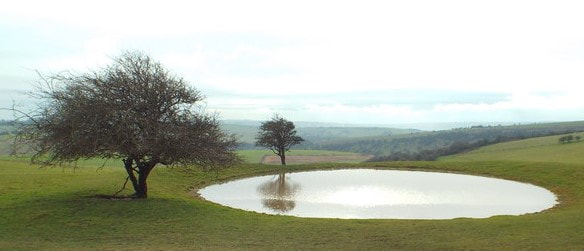
South Downs dewpond
Picture
Dancing Adders. YouTube video
Powered by Create your own unique website with customizable templates.